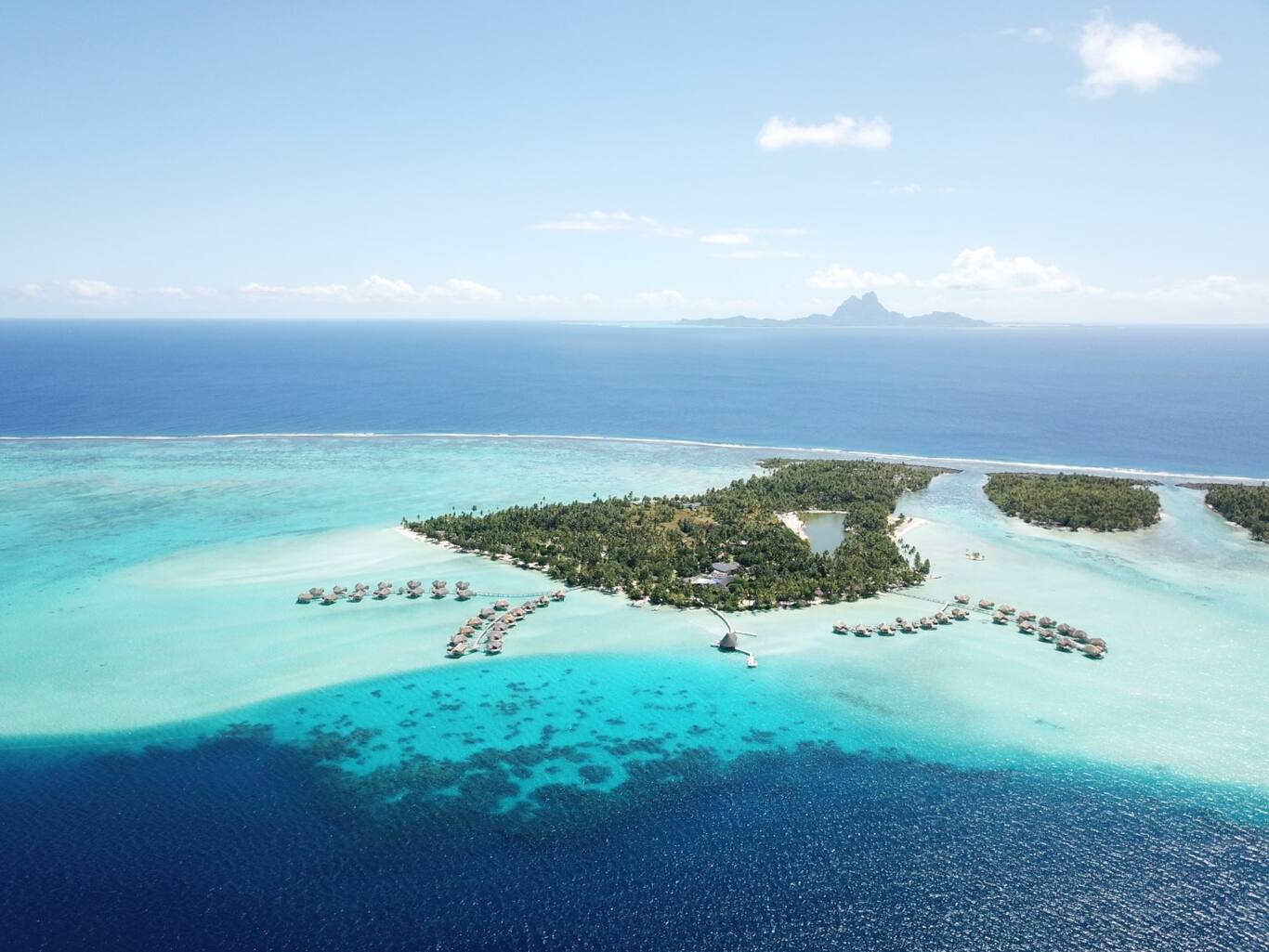
When I'm on the water in French Polynesia, I pay attention to how a ship treats the places it visits, because the people who live there do too. I've sailed the m/s Paul Gauguin and spent time across these islands, and what stays with me is how the operation is built around a small footprint. With roughly 330 guests, the ship simply doesn't land the crowds that overwhelm a quiet lagoon. That scale shapes nearly everything it does well.
Why small size matters here
Working with island communities
The Gauguin leans on local connection rather than importing everything. The Tahitian hosts known as Les Gauguines share their own songs, dance and language onboard, and La Veranda serves Polynesian dishes and local fish alongside the French menu at L'Etoile. When a ship buys, hires and learns from the islands it visits, more of the value stays in those communities. To me that's a meaningful part of sailing responsibly, even before you reach the engineering.Protecting the water you came to see
Frequently asked questions
How does ship size affect the environment here?
Carrying about 330 guests, the Paul Gauguin lands far fewer people at each stop than a large ship. That keeps lagoons, reefs and small villages from being overwhelmed, which is the most direct way a cruise reduces its impact in a fragile region.
Does the cruise support local communities?
Yes. Tahitian hosts called Les Gauguines share island culture onboard, and the kitchens feature Polynesian dishes and local fish. Drawing on local people and produce keeps more of the experience, and the benefit, rooted in the islands.
What can I do as a guest to help?
Use reef-safe sunscreen, keep a respectful distance from marine life, and follow the crew's guidance at snorkel sites and on Motu Mahana. With a few hundred guests, those small habits genuinely add up.
Planning a Paul Gauguin voyage? Tell us your dates and what you're dreaming of and we'll map it out for you.